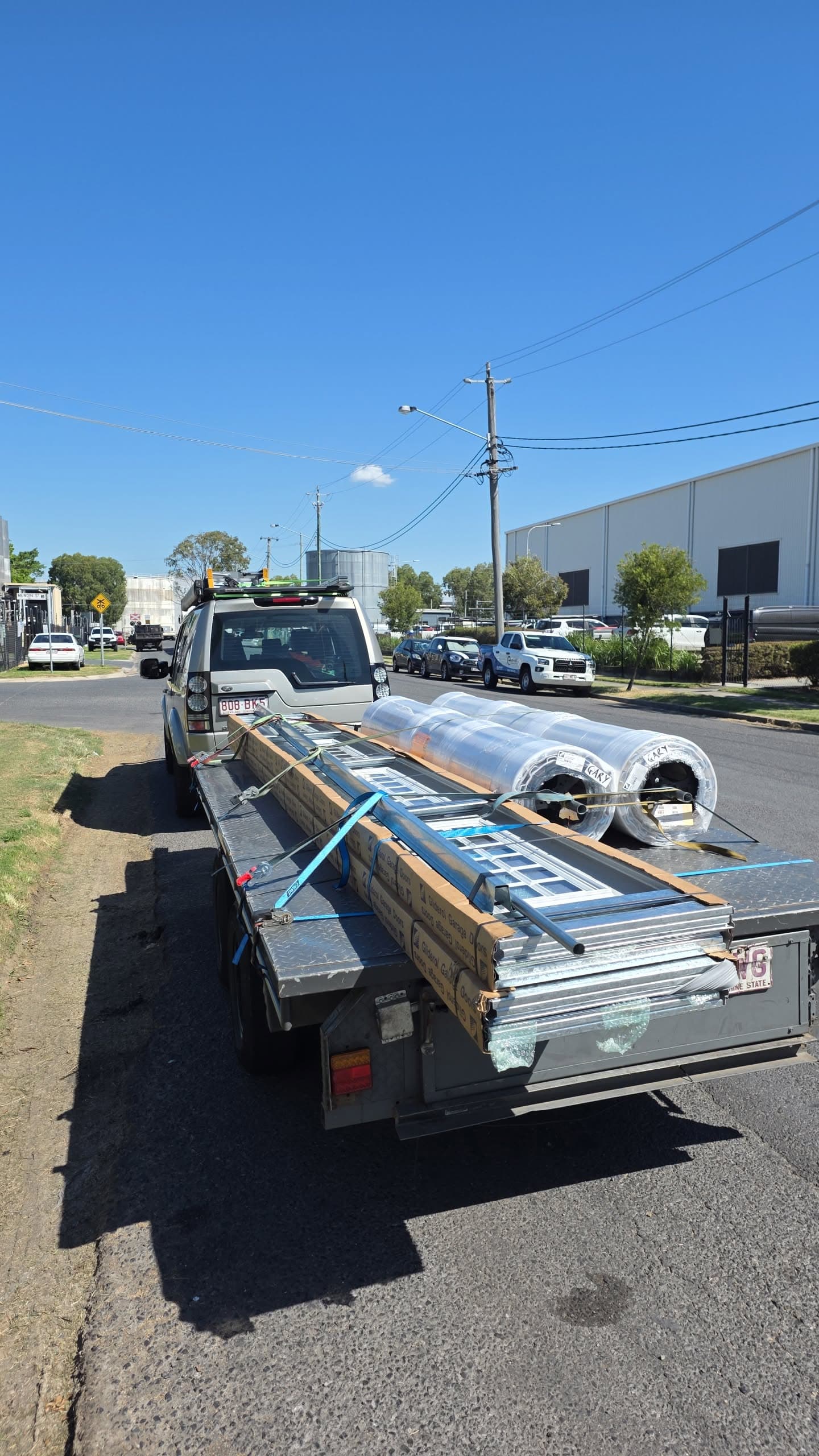
This page is written for someone standing in front of a powered door on Kunda Park, working out who to ring. It is deliberately a scoping page rather than a sales page. Sunshine Coast Regional Council's 2025 information sheet on its proposed new planning scheme gives the Kunda Park industrial area as an example of industry land that may provide a transition between core industry areas and residential areas. Sitting on that boundary is exactly why the door in front of you could fall either side of a technical line: it may be an ordinary residential garage door, or it may be the sort of powered door that two separate international standards treat as a different thing entirely. Work out which one you have first. Everything useful follows from that.
In the Sunshine Coast Planning Scheme 2014, the Forest Glen/Kunda Park/Tanawha local plan code describes the Kunda Park Industrial Estate as one of the Sunshine Coast's largest and most developed industry and enterprise areas, locates it in the northern part of the local plan area adjacent to Maroochydore Road, and provides for its continued development through the Low impact industry zone and the Medium impact industry zone. The same scheme requires adjoining residential development to be buffered and separated from the estate to mitigate potential land use conflicts.
Both zones named against the estate say the same thing about living on it: the only residential activity listed as a consistent use is caretaker's accommodation, and neither lists any residential activity as potentially consistent. At the 2021 Census, Kunda Park recorded 22 people and 6 private dwellings. Those are raw counts, far too small to express as a percentage or to do arithmetic on, and the ABS states on the same page that limited information has been provided for the area because the population is so small. For scale only, the Sunshine Coast local government area recorded 342,541 people and 148,638 private dwellings at that same 2021 Census. Dwelling structure, tenure, occupancy, industry of employment and occupation are not published for Kunda Park at all. The demographic layer an ordinary suburb page runs on does not exist here.
What does exist is a clear technical distinction. The international safety standard covering drives for vertically moving garage doors for residential use states that it does not apply to drives for commercial and industrial purposes, and refers drives for gates, doors and windows to a separate standard. That separate standard expressly brings within its scope drives intended to be used by laymen in shops, offices, hotels, restaurants, hospitals, in industry and on farms, and gives rolling doors and sectional overhead doors among its examples. A manufacturer's published product documentation makes the same split commercially: commercial openers are more powerful because they manage doors that are much wider, taller and heavier, opened and closed multiple times each day.
So the practical question here is not which trade to ring first, but which class of door and drive you are looking at. Deadlock Garage Doors publishes that Thom services sectional, roller and tilt doors, and names no industrial shutter type, no high-cycle door type and no commercial drive type anywhere on its site. Establish your class, then confirm on the phone that it is within that published scope before anyone is booked.