DeadlockGarage Doors
Garage door serviced by Deadlock Garage Doors on the Sunshine Coast

Service Area / Mooloolaba, Sunshine Coast

Garage Door Service in Mooloolaba

Sunshine Coast Council's 2026-27 budget puts approximately $21 million into the Mooloolaba Foreshore Revitalisation project, with major construction started on 14 July 2025 and completion scheduled for early 2027. Reaching the door is part of the job here.

Book a garage door service in Mooloolaba and the first practical question is often about the street, not just the door. Sunshine Coast Council's 2026-27 budget allocates approximately $21 million to the Mooloolaba Foreshore Revitalisation, with major construction started on 14 July 2025 and completion scheduled for early 2027. Council runs regulated parking in only five locations across the region, and the Mooloolaba one, PARKnGO Mooloolaba Central, holds 700 car spaces with up to four hours free. Deadlock's published trading is seven days, 6:00am to 6:00pm, with emergency callouts taken around the clock across the Sunshine Coast. When you call, describe where the door sits and how a vehicle reaches it.

6am to 6pm, seven days / emergencies covered around the clock

  • ABN 17 937 699 636
  • Insured through BizCover
  • Est. 2026
  • Sectional, Roller and Tilt doors

Why This Matters Here

Mooloolaba is being rebuilt around access

Two factors determine a garage door service call in Mooloolaba: diagnosing the actual component failure and physically accessing the door. Reaching a site here comes with unique urban logistics. Sunshine Coast Council's 2026-27 budget commits approximately $21 million (supported by $11.7 million in state and federal funding) to the Mooloolaba Foreshore Revitalisation project out of a $296 million regional capital works program. With major construction underway since July 2025 and running into early 2027, civil works are an active reality. Compounding this, Mooloolaba is one of only five council-regulated parking zones in the region, centered around the 700-space PARKnGO Mooloolaba Central facility. For any tradesperson, managing traffic, timed parking, and site access is an essential part of the job.

A High-Density Housing Profile

The residential landscape behind the commercial strip differs sharply from the wider Sunshine Coast. According to the 2021 Census, flats and apartments made up the largest share of Mooloolaba's occupied private dwellings at 47.6% (1,669), while standalone houses accounted for 38.5% (1,350) and townhouses represented 11.6% (405). Across the broader regional LGA, those figures are almost completely inverted, detached houses comprise 73.1% of dwellings, with apartments making up just 12.8%. Serving doors in Mooloolaba means catering as much to multi-level residential complexes and basement garages as standard suburban driveways.

Demographics, Renters, and Shared Access

Demographics and property tenure further shape local service needs. The 2021 Census recorded 8,202 residents across 4,678 private dwellings, with a median age of 44, a smaller average household size of 2.1 people, and 33.1% lone-person households (compared to 23.5% regionally). Furthermore, 41.5% of homes are rented, significantly higher than the regional average of 27.3%. High rental turnover and shared apartment entrances mean garage doors endure diverse usage patterns, making clear communication between tenants, landlords, and property managers essential when arranging repairs.

Emergency Response and Clear Pricing Scope

Given these dense conditions, knowing when to request urgent service versus standard maintenance keeps costs predictable. Deadlock defines an emergency service call as a fault that leaves a property completely unsecure or traps a vehicle inside. Standard appointments run from 6:00 am to 6:00 pm, seven days a week, with true emergencies covered overnight and on weekends. Emergency and after-hours callouts typically range from $200 to $300, depending on the door type, required parts, and time involved. Thom provides the exact pricing basis before dispatch, ensuring tenants, owners, or property managers have a clear, up-front quote to pass along to whichever party is paying.

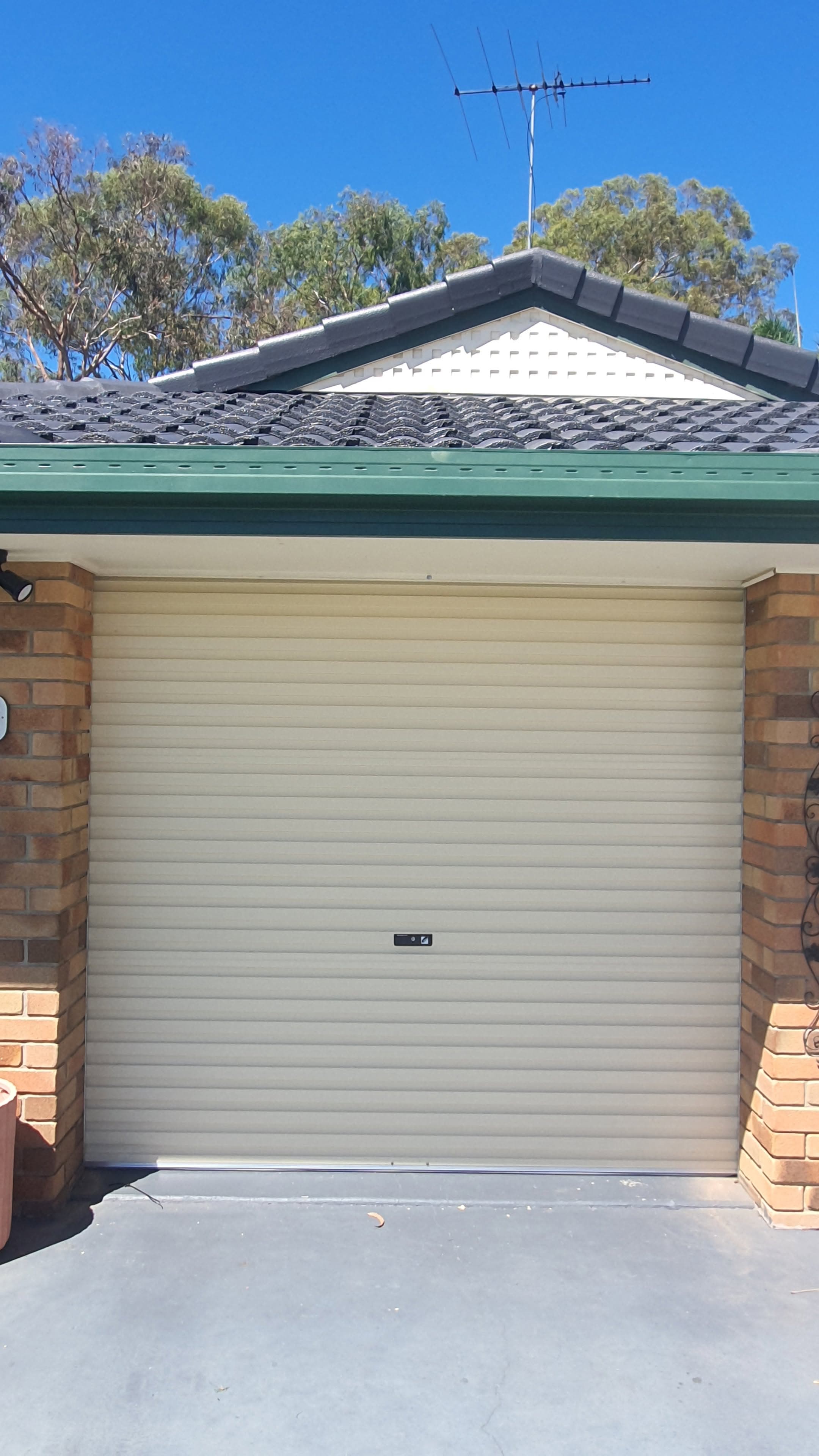
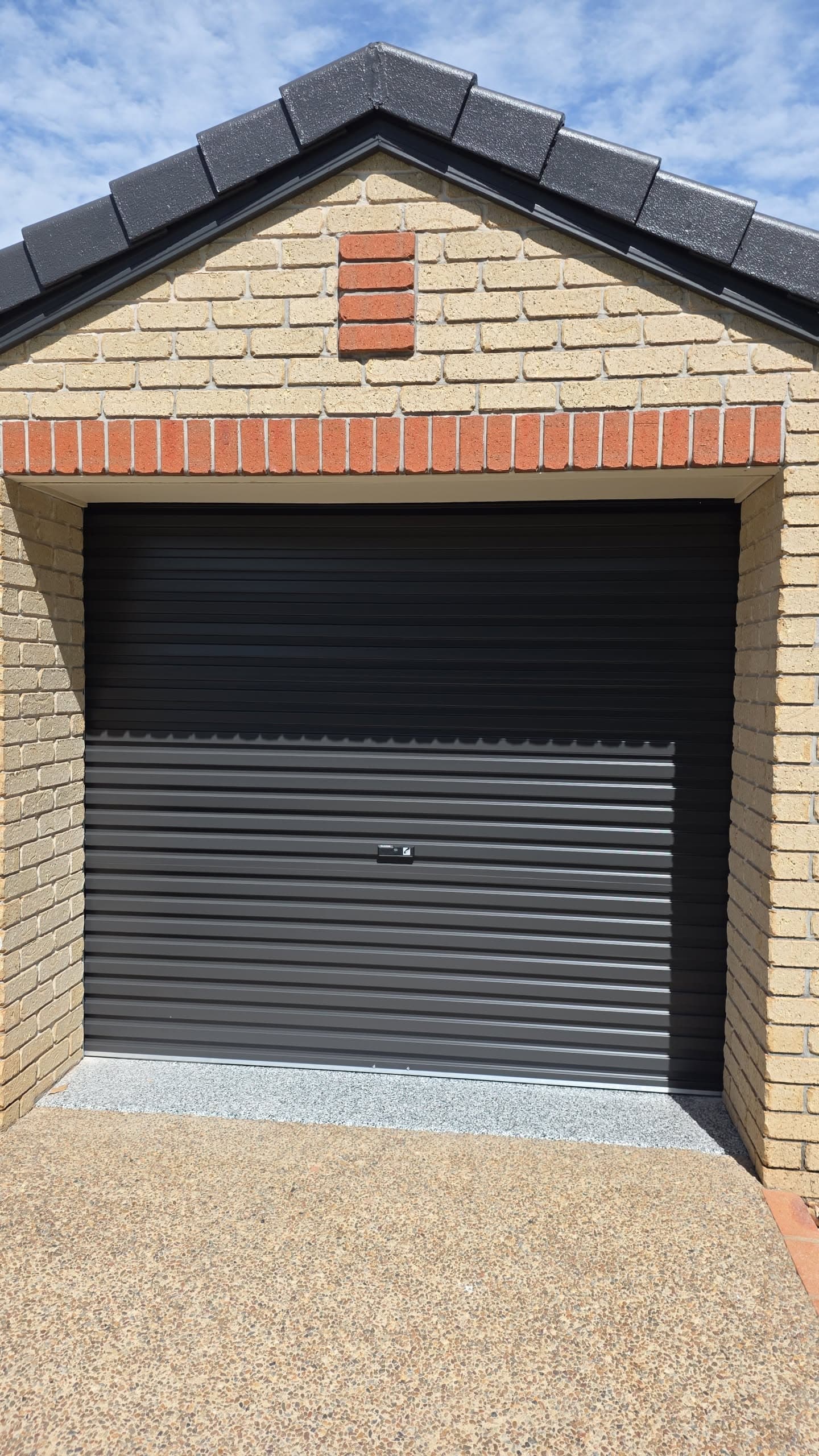
Roller garage door on a Sunshine Coast home, serviced and back in operation

Common Problems / 06 Recorded

How it goes wrong, and what to do

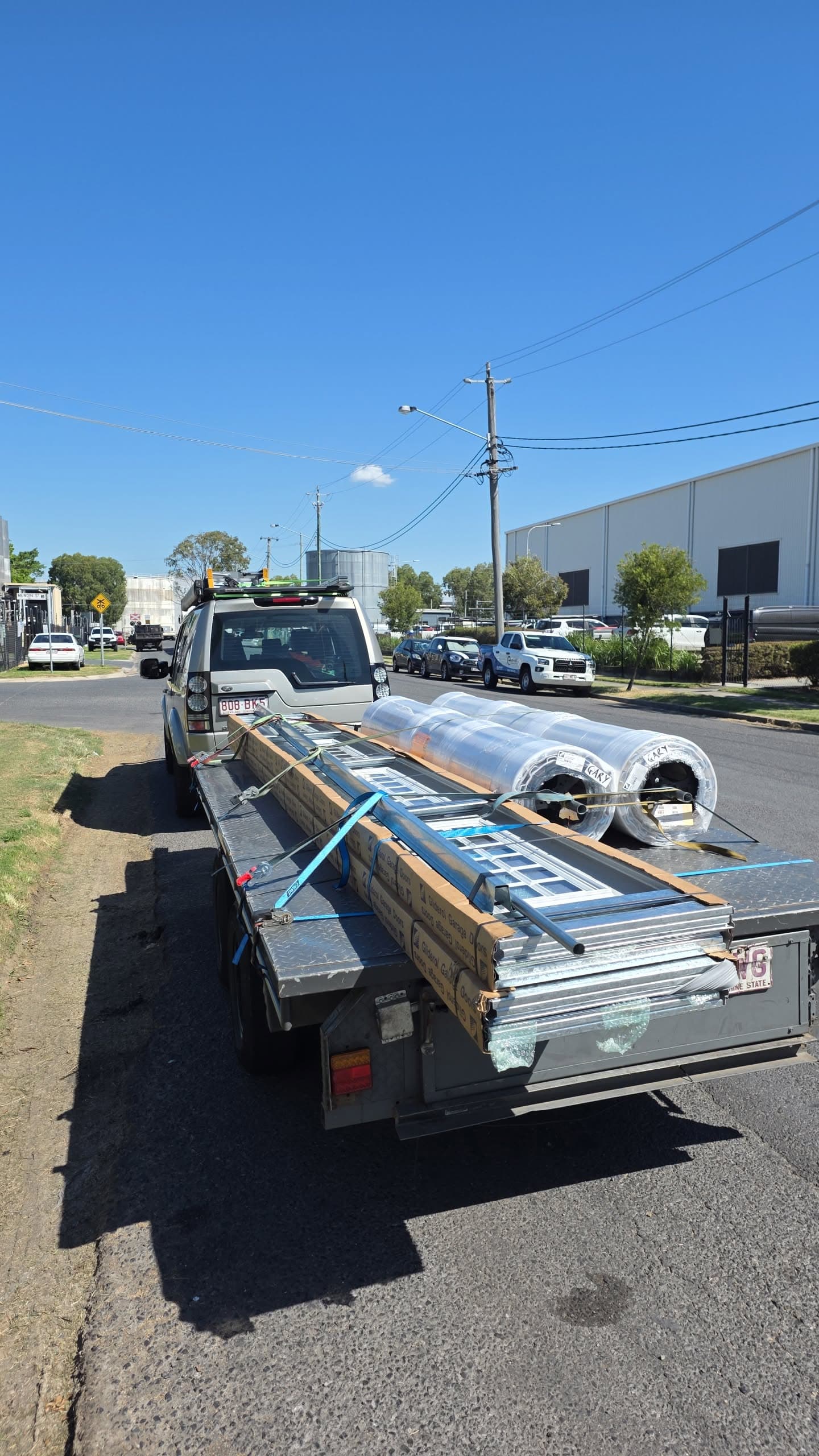
Deadlock Garage Doors van loaded for a Sunshine Coast service calloutStocked for the common jobs
Fault 01

The fault itself is simple, but nobody can work out when or where a service vehicle will actually get to the door

Why it happens

Sunshine Coast Council's 2026-27 budget records approximately $21 million of Mooloolaba Foreshore Revitalisation works out of a $296 million regional capital works program, with major construction started on 14 July 2025 and completion scheduled for early 2027. Mooloolaba is also one of only five locations across the region with council-regulated parking, at PARKnGO Mooloolaba Central: 700 car spaces, 13 accessible spaces, and up to four hours free.

Why it matters

Neither of those is a fact about a garage door. Together they describe a precinct where a service vehicle needs somewhere to sit and a window to work in, and that is a conversation better had at booking than on arrival.

Response

Deadlock publishes trading of seven days, 6:00am to 6:00pm, with 24/7 emergency callouts, so there is a spread of times to work with. Describe the access route, the parking situation and any works on your street when you book rather than leaving it to be discovered.

Fault 02

The door is opened far more often than an annual service interval assumes, and nothing on the door tells you that

Why it happens

A garage door manufacturer publishes that a standard 10,000-cycle torsion spring works out to roughly seven to ten years for most homes on a basis of three to four uses per day, that torsion springs are typically rated at 10,000 to 20,000 cycles depending on grade, and that higher-cycle springs are rated at 20,000 to 30,000 cycles. Rated life is counted in cycles rather than in years, so a door worked well above that daily basis reaches the same rating sooner.

Why it matters

Deadlock's published guidance already separates the intervals - yearly for most homes, every six to nine months where the door is used many times a day, and yearly for rentals - while the same manufacturer publishes a service recommendation of every two years. The gap between those two is usage, not authority, so the number that decides it is your own count of openings.

Response

The published service is itemised rather than a look over: spring balance checked and adjusted; rollers, hinges and tracks lubricated; bolts and brackets tightened; cables and drums inspected; and the opener and its safety reversal tested. Count a normal week of openings before you settle on an interval, and raise spring grade if a replacement is on the table.

Fault 03

A spring lets go, the door becomes far heavier than anyone expects, and somebody tries to lift it anyway

Why it happens

Deadlock's published answer to replacing a spring yourself is a flat no, because the spring is under high tension and can injure someone seriously if it releases while they have hands on the door. A garage door manufacturer publishes the same position, stating that replacing garage door springs is not a DIY job and listing broken bones, lacerations, and facial and joint injuries among the outcomes.

Why it matters

The published warning signs usually arrive before the failure does: a door that feels heavy, a door that opens unevenly, a loud bang, and a visible two-inch gap in a torsion spring. Missing them is what turns a booked job into a callout.

Response

A door that will not lift after a snapped spring sits inside Deadlock's own published definition of an emergency, and Thom carries common torsion and extension springs, so it is worth asking what is on the van when you call. Stop working the opener while you wait, because Deadlock's published advice is that repeated attempts can add damage.

Fault 04

The door fails outside business hours and there is no figure to weigh the decision against

Why it happens

A door left open through the night and a snapped spring that no longer raises the door both sit inside Deadlock's published definition of an emergency. The definition settles whether to call; it does not settle what the call is worth.

Why it matters

Deciding at ten at night whether a stuck door is worth a callout is a cost question as much as a mechanical one, and it is hard to answer without something to work from.

Response

Emergency and after-hours work is published as a service callout valued between $200 and $300 depending on the door, the parts and the time involved, and Thom gives you the basis before he comes out. Treat the band as an indicative published range rather than a fixed price, and ask whether it is still current when you book. Published trading is seven days, 6:00am to 6:00pm, with emergency callouts taken around the clock across the Sunshine Coast.

Fault 05

The person standing in front of the broken door is often not the person who signs off the spend

Why it happens

At the 2021 Census, 41.5% of Mooloolaba's occupied private dwellings were rented, 32.8% were owned outright and 23.2% were owned with a mortgage, and 33.1% were lone-person households. Across the Sunshine Coast local government area the 2021 Census recorded 27.3% rented and 23.5% lone-person.

Why it matters

Where the caller and the payer are different people, an unexplained figure is hard to get approved from a distance, and the wait is usually spent on the approval rather than on the repair.

Response

The published commitment on emergency and after-hours work is that Thom gives you the basis for the cost before he comes out, with the callout valued between $200 and $300 depending on the door, the parts and the time involved. Ask for that basis on the first call so there is something concrete to hand on.

Fault 06

You want to know the opener will be recognised, and there is no brand list anywhere to check it against

Why it happens

No door or opener brand is named anywhere on the Deadlock site. What is published is door types: Thom has trained across multiple brands and systems and works on sectional, roller and tilt doors and common opener types, having trained with multiple garage door brands and businesses before starting Deadlock.

Why it matters

An absent brand list is a documentation gap rather than a capability finding in either direction, so a page that promised brand coverage would be promising something no reader can check.

Response

This page names no brand and makes no brand claim. Read the make off the opener housing or the label on the spring and give it on the call, which gets a straight answer faster than any list on a page could.

What Deadlock Does In Mooloolaba

The work, with the local detail attached

Servicing & Maintenance

An itemised mechanical service: spring balance checked and adjusted, rollers, hinges and tracks lubricated, bolts and brackets tightened, cables and drums inspected, and the opener and its safety reversal tested.

Local note

Deadlock's published guidance is yearly for most homes, shortening to every six to nine months where a door is used many times a day, and yearly for rentals. Which line applies is a question about how often the door runs rather than about the address, and at the 2021 Census 41.5% of Mooloolaba's occupied private dwellings were rented against 27.3% across the Sunshine Coast local government area, so the rental line describes a larger share of this suburb than of the region. A garage door manufacturer publishes roughly seven to ten years for a 10,000-cycle torsion spring on a basis of three to four uses per day; that is the arithmetic to check your own door against before you accept a default interval.

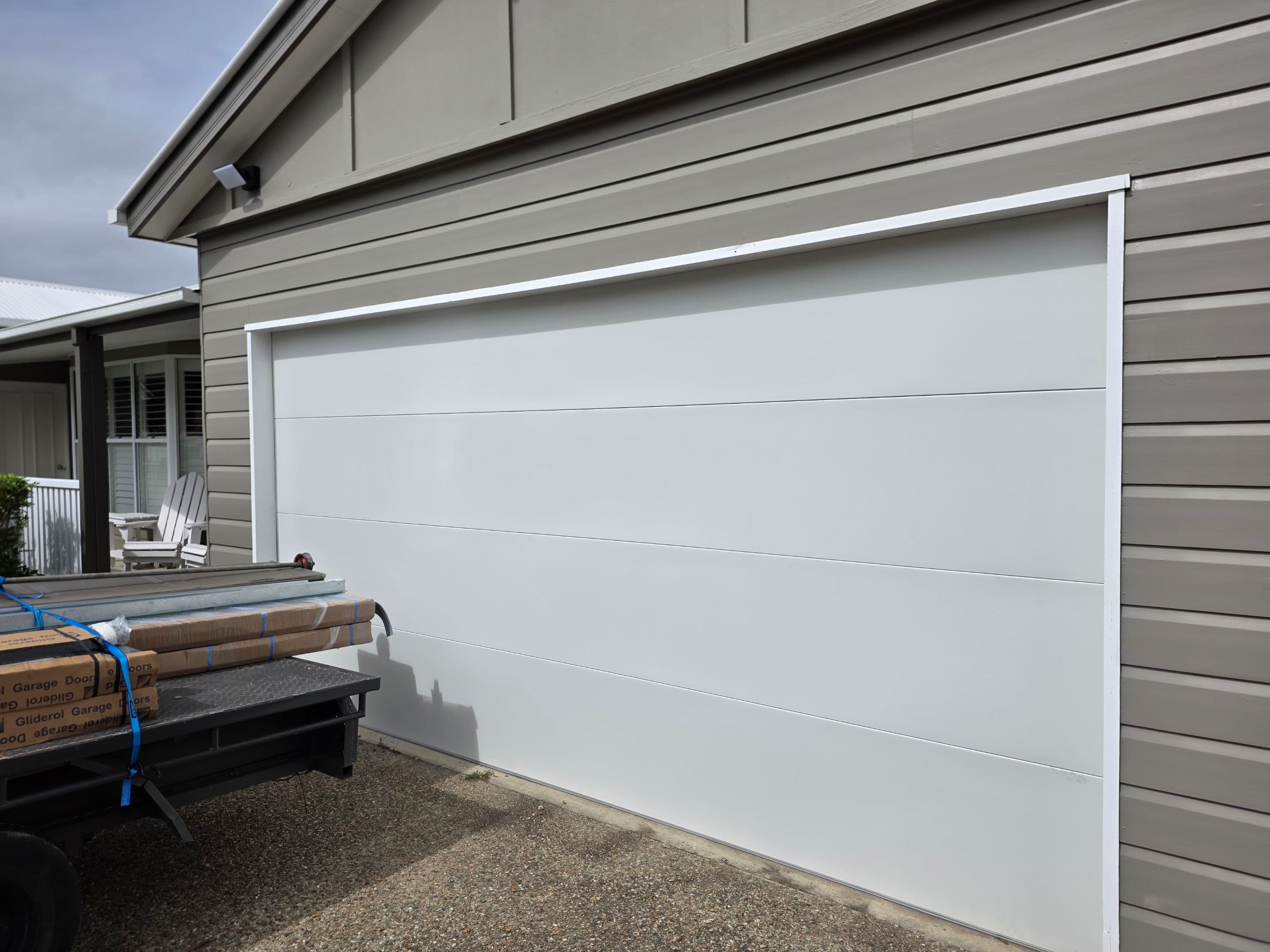
Deadlock Garage Doors job underway at a Sunshine Coast home, door sections on the trailer
Call to book

Spring Repairs

Replacement of failed garage door springs, including a door left too heavy to raise after a spring has let go.

Local note

Deadlock's answer to changing a spring yourself is a flat no, and the reason given is the tension the spring holds: released with hands on the door, it can injure someone seriously. A garage door manufacturer publishes the same position and lists the warning signs that come first - a door that feels heavy, a door that opens unevenly, a loud bang, and a visible two-inch gap in a torsion spring. Thom carries common torsion and extension springs, so ask what is on the van when you call. In a precinct where council's own regulated parking is capped at four hours free, it is worth describing the access route on the same call.

Call to book

Motor Replacement

Replacement of failed garage door motors and openers.

Local note

A Deadlock service tests the opener and its safety reversal, which makes the reversal a fair item to ask about by name when a motor is being replaced rather than assuming it was covered. No door or opener brand is named anywhere on the site, so this page names none either; the published position is door types - sectional, roller and tilt doors and common opener types. Read the make off the housing before you call. At the 2021 Census, 47.6% of Mooloolaba's occupied private dwellings were flats or apartments and 38.5% were separate houses, so say which of the two the opener sits in when you book.

Call to book

24/7 Emergency Callouts

After-hours attendance for doors stuck open or shut, snapped springs and doors that have come off their tracks.

Local note

What makes a fault an emergency on Deadlock's published definition is the state it leaves things in: a home standing open, or a car it will not release. Standard work is published as 6am to 6pm, seven days, with genuine emergencies covered overnight and on weekends. Emergency and after-hours work is booked as a service callout valued between $200 and $300 depending on the door, the parts and the time involved, and Thom gives you the basis before he comes out. At the 2021 Census 41.5% of Mooloolaba's occupied private dwellings were rented, so that basis is often the thing a caller needs in order to get the job approved by someone else.

Call Thom on 0402 882 653

Trust, On The Record

Who turns up, and what stands behind the work

What can be checked about Deadlock is short, so here it is plainly. The Australian Business Register records ABN 17 937 699 636 as an individual sole trader, active from 1 February 2026, with no registered trading name and no current GST registration, and the site shows Est. 2026. Thom has three and a half years on the tools working on garage doors and trained with multiple garage door brands and businesses before starting Deadlock; that experience is his personally and is not a trading history belonging to the business. Public liability insurance is held through BizCover and stated as covering every job. On door types the published position is sectional, roller and tilt doors and common opener types. Published trading is seven days, 6:00am to 6:00pm, with 24/7 emergency callouts, and a service callout is published at between $200 and $300 depending on the door and the labour - an indicative range worth confirming is current when you book.

ABN
17 937 699 636
Insurance
Public liability through BizCover
Established
2026
Hours
6am to 6pm, 7 days
Emergency
Covered 24/7
Consumer law
Guarantees apply under the ACL

Coverage

How Mooloolaba is covered

Deadlock's published trading is seven days, 6:00am to 6:00pm, with emergency callouts taken around the clock across the Sunshine Coast. When you call about a Mooloolaba door, describe where it sits - private driveway, shared entrance, or inside a building - and how a vehicle reaches it, because the precinct carries major council works scheduled to run to early 2027.

Business
Deadlock Garage Doors
Service area
Maroochydore QLD 4558, AustraliaSunshine Coast service area, Mooloolaba included
Hours
7 days, 6am to 6pm, with 24/7 emergency callouts
Service areaMooloolaba
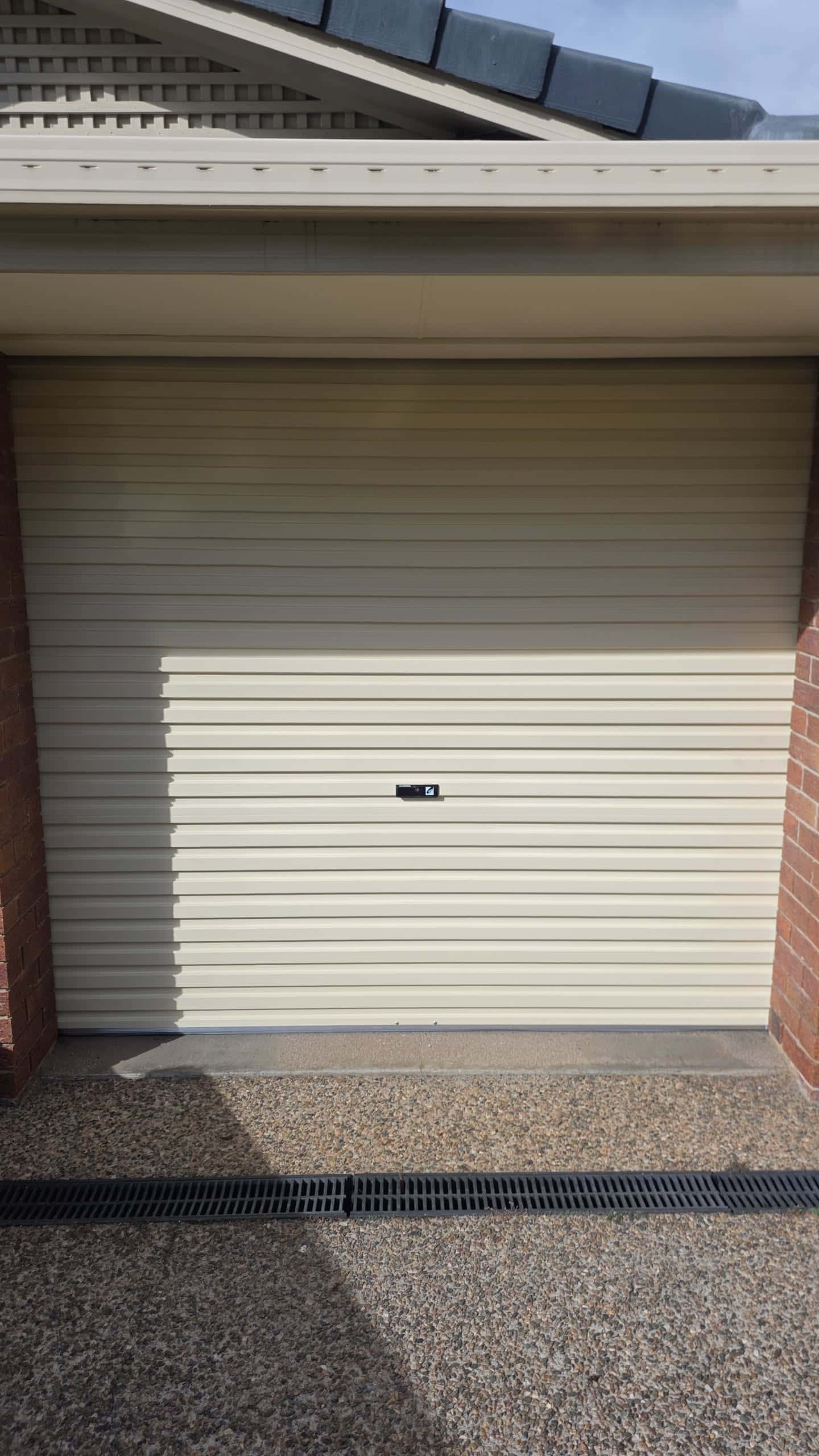
Well-maintained garage door on the Sunshine Coast
Real job / Sunshine CoastSectional / Roller / Tilt

Questions From Mooloolaba

Asked before booking

Where the door sits and how a vehicle reaches it. Sunshine Coast Council's 2026-27 budget records approximately $21 million of Mooloolaba Foreshore Revitalisation works out of a $296 million regional capital works program, with major construction started on 14 July 2025 and completion scheduled for early 2027. Mooloolaba is also one of only five locations across the region where council operates regulated parking, at PARKnGO Mooloolaba Central: 700 car spaces, 13 accessible spaces, 54 motorcycle spaces, 50 bicycle spaces, and up to four hours free. Those are facts about public land rather than about your building, but they describe a precinct where parking and timing take planning. Published trading is seven days, 6:00am to 6:00pm, so mention any road works or loading restriction on your street when you pick a time.

Deadlock's published definition turns on consequence rather than on the hour: a fault that leaves the property standing open, or a vehicle it will not release. The four published examples are a door left open through the night, a snapped spring that no longer raises the door, a door that has come away from its track, and a car locked in when you have to get out. So the test is what the fault has done, not what time it happened. Standard work is published as 6am to 6pm, seven days, with genuine emergencies covered overnight and on weekends. The published advice while you wait is to call rather than keep working the opener, because repeated attempts can add damage.

That depends on your own scheme's documents, and this is general information rather than legal advice. The Queensland Government publishes the general position for a building format plan, which is the form of subdivision that usually applies to multi-storey unit complexes: the body corporate is responsible for maintaining any doors or windows in a boundary wall between a lot and the common property, including garage doors and their fittings. Two qualifications travel with that and are easy to miss. Owner's improvements to doors and windows are the owner's responsibility to maintain, and where exclusive use by-laws are recorded over common property, the wording of the by-law can change the non-structural and structural maintenance responsibilities for those areas. So the answer for your building sits in your registered survey plan, your community management statement and any by-laws, not in a general page like this one. The Queensland Government's published route is to start with the body corporate committee or the body corporate manager, then call the Information and Community Education Unit at the Office of the Commissioner for Body Corporate and Community Management on 1800 060 119 (freecall), with conciliation and adjudication available if the question stays unresolved. Deadlock does not offer a by-law, covenant or strata-record checking service of any kind, and nothing on this page claims body corporate experience, approval, or familiarity with any Mooloolaba scheme. Nothing here is legal advice; sort out who authorises the work before you book.

Deadlock's published guidance is yearly for most homes, shortening to every six to nine months where the door is used many times a day, and yearly for rentals. It is worth knowing that the interval is contested rather than settled: a garage door manufacturer publishes its own recommendation of servicing every two years, which is the longer of the two. The way to reconcile them is usage rather than authority. The same manufacturer publishes that a standard 10,000-cycle torsion spring works out to roughly seven to ten years for most homes on a basis of three to four uses per day, that torsion springs are typically rated at 10,000 to 20,000 cycles depending on grade, and that higher-cycle springs are rated at 20,000 to 30,000 cycles. A door running well above three or four cycles a day therefore consumes a rated life in fewer years, which is the honest reason a shorter interval can be right. Count a normal week of openings before you decide.

Deadlock publishes a service callout valued between $200 and $300 depending on the door and the labour, and publishes trading of seven days from 6:00am to 6:00pm with 24/7 emergency callouts. On the emergency page the same band is described as depending on the door, the parts and the time involved, and the published commitment is that Thom gives you the basis before he comes out. Treat it as a published indicative range rather than a fixed or capped price, and ask whether it is still current when you book. On availability, the published position is that emergency callouts are taken around the clock across the Sunshine Coast, with standard work 6am to 6pm seven days and genuine emergencies covered overnight and on weekends.

No, and there are two published reasons rather than one. Deadlock's answer is a flat no: the spring is under high tension and can injure someone seriously if it lets go while they have hands on the door. A garage door manufacturer publishes the same position, stating that replacing garage door springs is not a DIY job and listing broken bones, lacerations, and facial and joint injuries among the outcomes. That manufacturer also publishes the warning signs to watch for: a door that feels heavy, a door that opens unevenly, a loud bang, and a visible two-inch gap in a torsion spring. Thom carries common torsion and extension springs, so ask what is on the van when you call. In the meantime, stop working the opener, because the published advice is that repeated attempts can add damage.

The site names none, so this page will not invent one. What is published is that Thom has trained across multiple brands and systems and works on sectional, roller and tilt doors and common opener types, and that he trained with multiple garage door brands and businesses before starting Deadlock. That absence is a documentation gap rather than a finding about breadth or narrowness in either direction. If you can read the make off the opener housing or the label on the spring, give it on the call rather than relying on a page to promise it in advance.

The published warning signs usually arrive before the failure does: a door that feels heavy, a door that opens unevenly, a loud bang, and a visible two-inch gap in a torsion spring. Missing them is what turns a booked job into a callout, so treat any of the four as a reason to book rather than wait.

Treat it as an emergency callout, not a booking

If the door is jammed open, off its track, or too heavy to lift after a spring has gone, treat it as an emergency callout rather than a booking, and leave the opener alone until someone can look at it. Call Thom on 0402 882 653. When you call, say where the door sits - private driveway, shared entrance, or inside a building - and how a vehicle reaches it, because the precinct is carrying major council works scheduled to run to early 2027 alongside council-regulated parking capped at four hours free. On emergency and after-hours work, if you are not the person who pays, ask for the basis of the cost before he comes out so you have something concrete to pass on. Published trading is seven days, 6:00am to 6:00pm, with emergency callouts taken around the clock across the Sunshine Coast.

Call Thom direct

0402 882 653
Booked work
6am to 6pm, 7 days
Emergencies
Around the clock

Published Sources Used On This Page

Every figure above is on the record

ABS 2021 Census QuickStats, Mooloolaba (SAL31895)

Supports C15, C16

Official

ABS 2021 Census QuickStats, Sunshine Coast local government area (LGA36720)

Supports C26

Official

Sunshine Coast Council: Budget 2026-27

Supports C24

Official

Sunshine Coast Council: Mooloolaba parking

Supports C23

Official

Queensland Government: building format plan and building units plan maintenance

Supports C19

Regulatory

Census figures are 2021 vintage and named as such wherever they appear.

Call Thom now0402 882 653